Prognosole
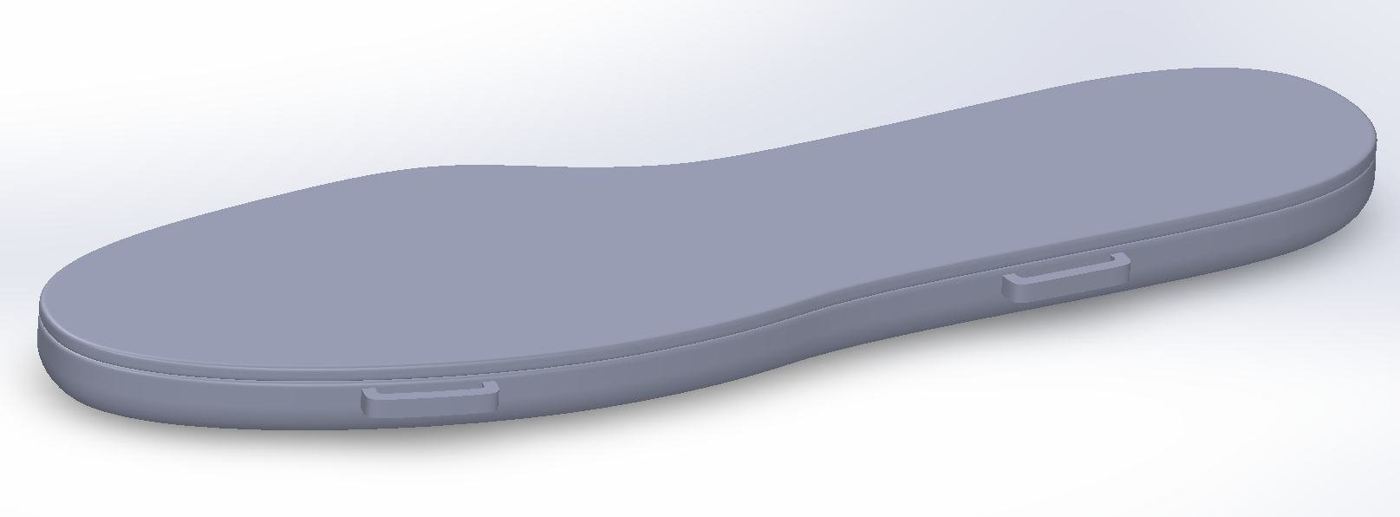
A wearable insole that harvests energy from walking while continuously monitoring gait and physiological signals, to help identify early indicators of cognitive decline.
- Program
- Research & FYP
- Type
- Final Year Project
- Power
- Piezoelectric energy harvesting
Motivation
Dementia, including Alzheimer's disease, is one of the leading causes of death and disability in Australia, with the number of affected Australians projected to more than double from 446,500 in 2026 to over 1.1 million by 2052. Early intervention can slow progression, but current screening relies heavily on episodic clinical assessments, making gradual change hard to detect. That creates a need for accessible, continuous monitoring that can identify subtle changes in cognitive and motor function earlier.
Power generation
The team considered piezoelectric, thermoelectric and electromagnetic energy harvesting for continuous power. Piezoelectric materials were chosen for their ability to convert the mechanical stress of walking directly into electrical energy while staying lightweight and easy to integrate into footwear. The design captures footstep-induced energy, rectifies and stores the charge, and evaluates whether the harvested energy can reliably support the system's power needs.
The role of gait analysis
Changes in walking patterns can emerge before conventional memory-related symptoms. Stride time, step length and gait symmetry can reflect changes in executive function, attention and motor control associated with neurodegeneration. The same foot-based system that harvests energy can collect gait data passively during everyday activity, tracking deviations from an individual's normal gait to support earlier identification of those at risk.