Repocare
Repocare aims to detect heart rate through the physical interference of WiFi carrier signals, building on the work of Pulse-Fi to test the viability of directional antennas.
- Program
- MedTech
- Status
- Research
- Project lead
- Nishal Joseph
- Builds on
- Pulse-Fi
The motivation
With the advance of remote Emergency Departments, there is a growing need to monitor out-patients without burdening their convenience and way of life. Non-contact sensing is a growing research area that aims to obtain medical-grade health signals without standard biomedical devices. Recent work has shown that radio-frequency waves reflected and transmitted through a room can train an LSTM model to infer heart rate, respiration rate, seizures and more.
This project targets a current limitation: the biological signals of interest are tangled with interference from other people in the room, so a patient's heart rate cannot be separated from others. Software solutions exist but get less effective as the number of people grows. Our MVP uses physical hardware to filter out the signal we need, strengthening the software separation.
Our aim
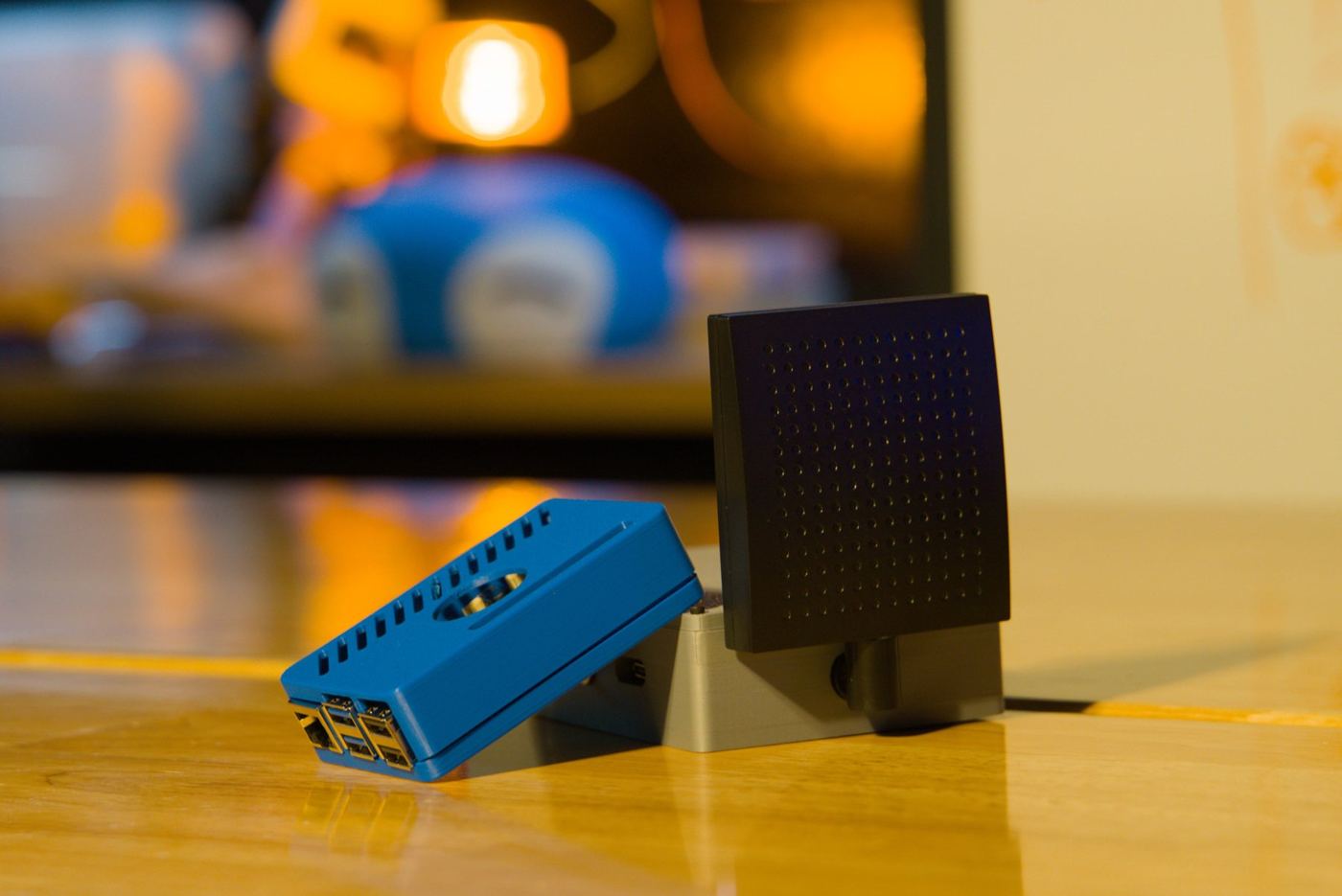
The unique approach is the antenna. Previous papers have used general antennas that capture signal amplitude and phase from every direction, introducing unnecessary spatial information when the target is at a fixed position. By using directional antennas, we believe we can use their weak directional gain to physically filter out the noise that reduced the accuracy of earlier work.
The project is ultimately tackling the question of whether a directional antenna gives more accurate vital readings. If so, remote health monitoring could improve quality of life for aged care residents, rural populations and mental health patients.